
“How long will it take?” It is almost always the second question after “How much does it cost?” And like cost, the honest answer depends on what you are building, who is building it, and how prepared you are when the project starts.
This guide gives you realistic, up-to-date timelines for every type of website in 2026, broken down by project type, build method, and the real-world factors that determine whether your site launches on schedule or drags on for months.
The Short Answer: Website Build Times in 2026
Here is a quick reference before we dive deeper:
- Simple brochure site (3–5 pages): 1–3 weeks
- Custom business website: 4–8 weeks
- eCommerce store: 6–14 weeks
- Web application or SaaS platform: 3–6 months
- Enterprise website with multiple regions: 5–14 weeks and beyond
These are professional timelines. AI-assisted builders can produce a basic site in hours, but they require significant refinement before they are ready to rank on Google or convert international visitors into paying clients.
Phase by Phase: What Actually Happens During a Website Build
Most people think building a website is just designing pages. In reality, a professional build moves through distinct phases, each of which takes time and requires input from both the developer and the client.
Discovery and Strategy (3–7 days)
This is where goals are defined, competitors are reviewed, target audiences are identified, and the site structure is mapped out. Skipping this phase is the single biggest reason websites get rebuilt within 18 months. A good discovery process asks questions like: Who are your ideal clients? What action do you want them to take? Are you targeting clients in the US, UK, UAE, or multiple markets? What does success look like in 90 days?
Content Preparation (1–3 weeks — often the longest phase)
This is where most projects stall. Content includes your service descriptions, about page copy, team bios, case studies, testimonials, images, and your logo and brand assets. The number one reason websites run late is not the developer. It is the client not having content ready. If you want your project to finish on time, treat your content deadline as seriously as any other business deadline.
Design (1–2 weeks for templates, 2–4 weeks for custom)
Template-based builds using pre-built WordPress themes or Wix Studio layouts dramatically reduce design time. A skilled developer can adapt a professional template to your brand in a few days. Custom design, where your site is built from scratch in Figma before a single line of code is written, takes longer but produces a unique result that stands out from every competitor using the same template.
Development (1–4 weeks depending on features)
This is where the design becomes a functioning website. For WordPress, this involves theme setup, plugin configuration, page building, form setup, speed optimisation, and mobile testing. The more custom features you need, the longer this takes. Adding a booking system, membership portal, or multi-currency eCommerce capability can double or triple development time.
Testing and Launch (3–7 days)
A professional launch includes cross-browser testing, mobile responsiveness checks, form testing, speed optimisation, SSL configuration, Google Search Console setup, sitemap submission, and a final content review. Rushing this phase is how you end up with broken contact forms, slow load times, and indexing errors on day one.
Realistic Timelines by Website Type
Simple Brochure Website
Timeline: 1–3 weeks
A home page, about page, services page, and contact page built on a quality WordPress theme. This is the entry point for most small businesses across the US, UK, UAE, and Singapore. With a ready-made template and complete client materials provided upfront, a simple business site can be completed in as little as 5–7 working days. The catch is always content readiness.
Custom Business Website
Timeline: 4–8 weeks
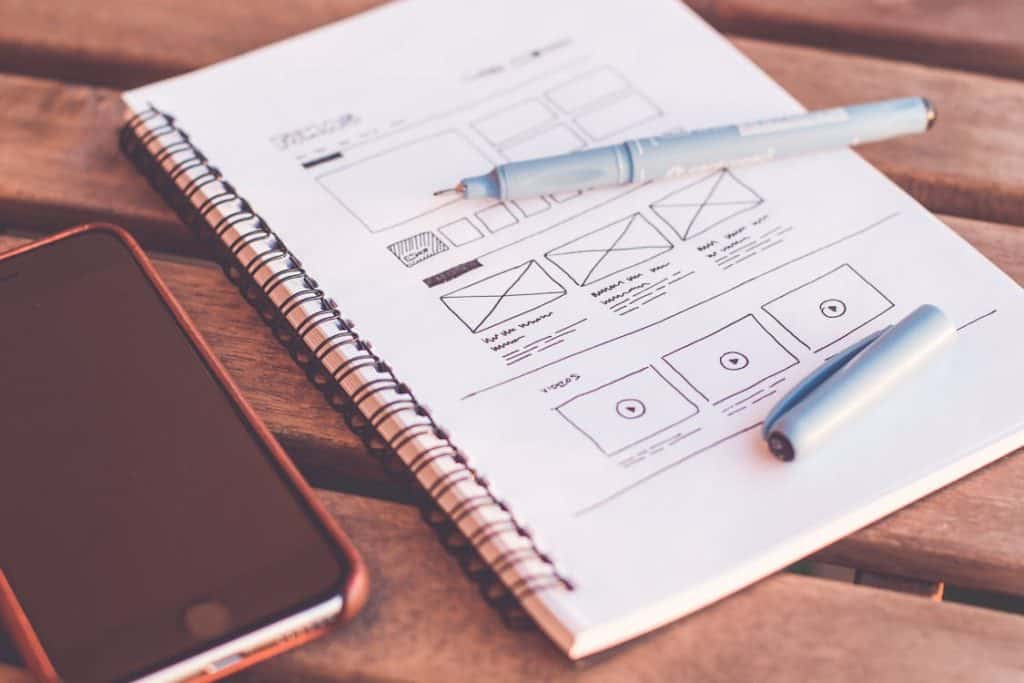
A site built to your specific brand, not adapted from a template. Involves wireframes, design mockups, client approval rounds, full development, and thorough testing. For a standard, multi-page small business website, the average time is 4–8 weeks when working with a professional. Every revision round and delayed decision adds time, so clear communication and fast approvals keep this on track.
eCommerce Website
Timeline: 6–14 weeks
WooCommerce or Shopify stores require product uploads, payment gateway setup, shipping rules, tax configuration, and extensive testing across devices and markets. If you are selling to clients in multiple countries, you also need to account for currency, language, and legal compliance differences between regions like the EU, UAE, and the US. The more products and the more markets, the longer the build.
Web Application or SaaS Platform
Timeline: 3–6 months
Three to six months is the typical timeframe for building a web application or SaaS website, and depending on complexity it can take longer. These are software projects as much as they are websites. Booking engines, membership portals, custom dashboards, and API-integrated platforms require a completely different level of planning, architecture, and testing.
How AI Is Changing Website Build Times in 2026
AI website builders have genuinely disrupted the lower end of the market. The fastest way to launch a basic website in 2026 is using an AI web builder that automates design, layout selection, SEO basics, and even plugin installation, enabling you to go live in minutes.
However, speed at launch does not equal quality in performance. AI-generated sites require significant manual work before they are competitive in search results or effective at converting international visitors. The content is generic, the structure is templated, and the SEO setup is surface-level at best. For businesses targeting clients in competitive markets, an AI-built site is a starting point, not a finished product.
Agency vs Freelancer: Does It Affect Your Timeline?
Not always in the way you expect. A large agency often has more resources but also more internal process: account managers, briefing documents, multiple approval layers, and handoffs between designers and developers. A skilled freelancer working directly with you can move faster because there are fewer moving parts.
What matters more than team size is clarity of brief, speed of your feedback, and experience with your specific type of project. A focused freelancer with ten years of WordPress experience will outpace a generalist agency team every time on a standard business website.
Timeline is only one side of the budget conversation. The other is the hidden costs of choosing a cheap website — which often cancel out any savings from rushing the build.
If you are nervous about paying upfront for a long project, it is worth exploring PostPay web design — a model where you only pay after the work is done and approved.
The Real Reasons Projects Run Late
In over a decade of building websites for clients across the US, UK, UAE, Singapore, and Saudi Arabia, the same causes come up again and again:
- No content ready at the start: Text, images, and logo files not supplied until mid-build
- Too many decision-makers: Multiple stakeholders with conflicting opinions and no single sign-off authority
- Scope creep: New features added mid-project that were never in the original brief
- Unlimited revisions: No defined revision rounds, leading to endless changes
- Third-party delays: Waiting on domain transfers, payment processor approvals, or email migration
- Unclear brief: Vague direction that requires multiple rounds of guesswork and correction
The projects that finish on time are almost always the ones where the client arrives prepared, communicates quickly, and trusts the process.
How to Keep Your Website Project on Track
- Agree on a written scope before any work begins
- Set your own content deadline, not just your developer’s
- Assign one person on your team as the sole decision-maker
- Define how many revision rounds are included upfront
- Test on mobile throughout the build, not just at the end
- Do not add features mid-build — log them for phase two
Frequently Asked Questions
How long does a WordPress website take to build?
Most WordPress sites take 3–5 days to set up with a template, but a custom-designed WordPress site for a small business typically takes 4–6 weeks. The range depends entirely on how complex the design is and how quickly content is supplied.
Can a website be built in a week?
Yes, but only under specific conditions. A one-week deadline is achievable for around 20–30% of projects, and only when the site is simple, a ready-made template is used, all materials are delivered before the start, and approvals are fast.
How long does an eCommerce website take?
Most eCommerce builds take 6 to 14 weeks. The primary variables are the number of products, the number of markets being served, and the complexity of shipping and payment requirements.
Does the developer’s location affect the timeline?
Time zone differences can add delays to feedback loops, but a well-managed remote project with clear communication channels runs just as efficiently as a local one. Many of the fastest and most professional website builds in the world are delivered by remote teams serving US, UK, and UAE clients from Karachi, Kyiv, or Kuala Lumpur.
What slows a website project down the most?
Missing content is the single biggest cause of delays across every type of website project. Prepare your text, images, logo files, and brand guidelines before the build begins, and your project will finish faster than 80% of comparable projects.
The Bottom Line
A good website does not need to take forever, but rushing it almost always costs more in the long run: in redesigns, in missed SEO opportunities, and in the credibility damage of launching something that is not ready.
Know your scope, supply your content early, communicate clearly, and choose a developer with direct experience in your type of project. Those four things determine your timeline more than anything else.